





Processing...
Planning can help clarify decisions for your family and may reduce uncertainty during difficult times.

Together, we’ll create a plan that reflects your values, honors your wishes, and gives your family the clarity and protection they deserve. You’ll also have an ongoing relationship with someone who truly understands your family’s unique story — someone who’s there to guide you through life’s changes, now and for years to come.
Ready to gain that peace of mind? Let’s start with a conversation about what matters most to you and your family.

Your family’s story is unique — shouldn’t your estate plan be too? Cookie-cutter documents might seem convenient, but they often leave gaps that could cost your family time, money, and heartache when they need clarity most. At AMO LAW, we work with you to create a plan that fits your specific situation, your values, and your vision for your family’s future.


Our process begins with a Legacy Planning Session. During the session, we will look at what would happen to all of what you have and everyone you love if anything were to happen to you. Then, we’ll develop a plan together designed to document your wishes and help your family understand your priorities. Should we decide there are things we can do to take care of your family better than they are taken care of now, we will present you with planning options that allow you to decide on your fee and the level of service that is right for you and your family.
If you want to plan for the people you love and reduce the likelihood of court involvement and conflict, we can discuss the next steps. We think that’s a great idea. You know your family deserves the kind of protection, guidance, and love we provide for a lifetime. It’s important that you know how we work and what our planning process includes. That’s why our clients love us so much.
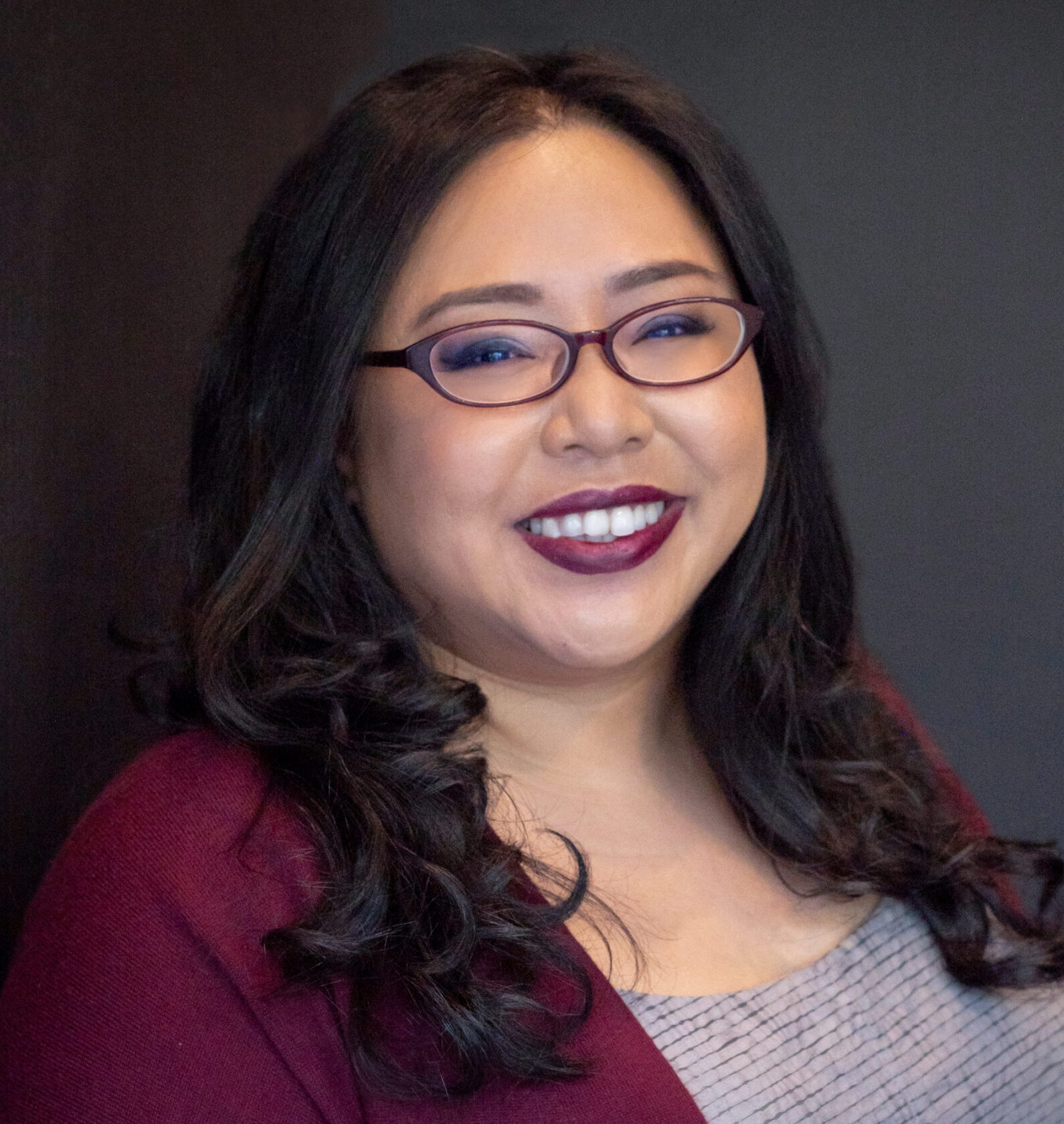
Estate planning can feel like a transaction. You answer questions off a checklist. You sign a binder of documents. You stick the binder on a shelf, hoping you never have to look at it again — and quietly wondering if any of it actually reflects who you are or what you want your life to mean.
That work changed me. Because here’s what I learned: the most painful losses aren’t always somebody else’s fault. They can happen at any time, to anyone. Families who have planned ahead may have more information to guide decisions during a difficult time.
I wrote Your After-Credits Scene: A Nerd’s Guide to Wills, Trusts, and Legacy — a #1 Amazon New Release — because the best stories we love are, at their core, about legacy. Star Wars is an estate planning saga. So is Harry Potter. So is half the MCU. Dumbledore’s will literally drives the entire third act of Deathly Hallows. Once you start looking, the lessons are everywhere — and the metaphors do something bullet points and statutes can’t: they make this stuff actually memorable.
I’ve been a guest on a wide range of podcasts — from pet trusts to faith-based business to real estate — and you can find the full list on my podcast appearances page. I’m also the founder of Jesus Otaku, a national anime ministry, and a former board member of the nonprofit behind Anime Expo (2010–2016).
If you’re a fan, a collector, a creator, a member of any fandom community — you don’t have to translate any of that for me. I already speak the language.
Through marriages and divorces, births and deaths, business launches and career pivots, moves and milestones, we stay available as your planning needs change. We help keep your plan current as the people, priorities, and circumstances in your life evolve.
Our process begins with a Legacy Planning Session. During the session, we will look at what would happen to all of what you have and everyone you love if anything were to happen to you. Then, we’ll develop a plan together designed to document your wishes and help your family understand your priorities. Should we decide there are things we can do to take care of your family better than they are taken care of now, we will present you with planning options that allow you to decide on your fee and the level of service that is right for you and your family.
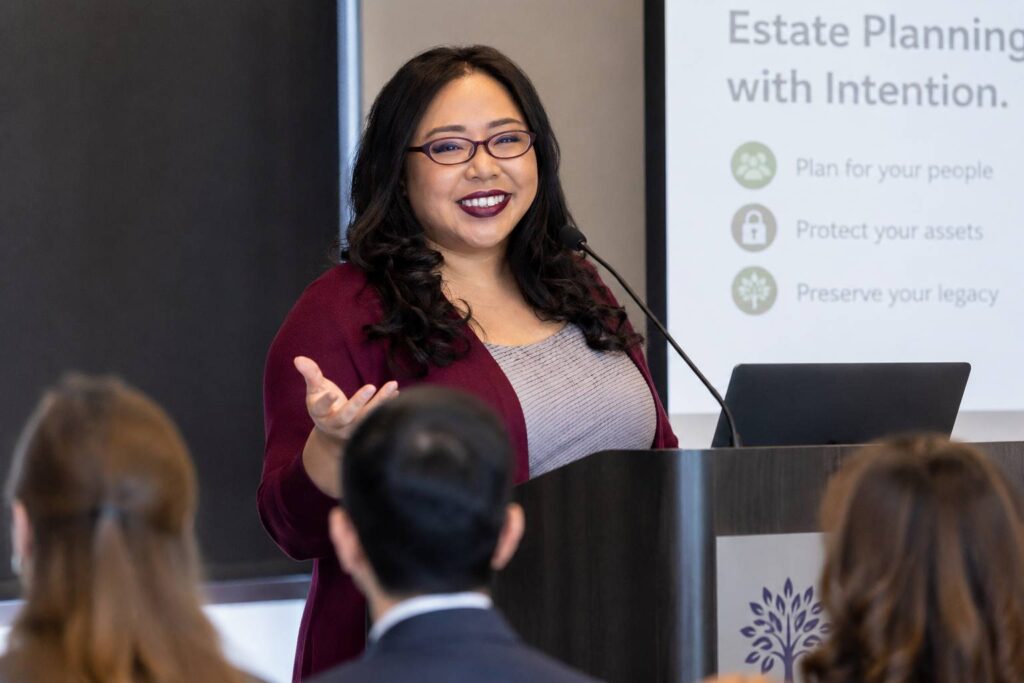
Media — interviews, commentary, and background for stories on estate planning, family conflict, generational wealth, digital assets, pet trusts, celebrity estate disputes, and more.
Two answers.
Routine: every three to five years, even if nothing dramatic has happened. Laws change, your financial picture shifts, and the people you named years ago might not be the right people anymore.
Triggered: anytime your life rearranges. Marriage, divorce, a new baby or grandbaby, a death in the family, a move to or from California, a big asset purchase or sale, a business launch, an inheritance, a diagnosis, a relationship rupture — or just the quiet realization that the person you named to raise your kids has become… a choice you’d reconsider.
Estate plans aren’t “set it and forget it.” They’re more like a save file. The version that worked five years ago may not load properly into the life you’re actually living now.
California already has one for you. It’s called the Probate Code, and it’s the default outcome for anyone who doesn’t write their own plan. Intestate succession decides who inherits — in a strict order: spouse first, then children, then parents, siblings, and outward. The court decides who raises your minor children. If no one suitable steps forward, a public administrator may be appointed to handle your estate.
None of those defaults were designed for your family. They were designed as a tiebreaker for the state’s plan. They don’t account for the stepchild who’s really your kid, the partner you never legally married, the sibling you haven’t spoken to in twenty years, the chosen family who showed up when blood relatives didn’t, or the friend you’d trust with your life over anyone on a family tree. If those distinctions matter to you, the only way to make them stick is to put them in writing while you can.
AMO LAW helps individuals and families with estate planning guidance designed around their goals, documents, and circumstances. Our offices are in Costa Mesa and Corona, and consultations are available in person or virtually.
AMO LAW helps individuals and families throughout California consider estate planning options based on their goals, values, and circumstances. We explain planning choices in plain language so you can decide what may fit your family. Our offices are in Costa Mesa and Corona, and consultations are available in person or virtually.
AMO LAW helps individuals and families throughout California consider estate planning options based on their goals, values, and circumstances. We explain planning choices in plain language so you can decide what may fit your family. Our offices are in Costa Mesa and Corona, and consultations are available in person or virtually.